

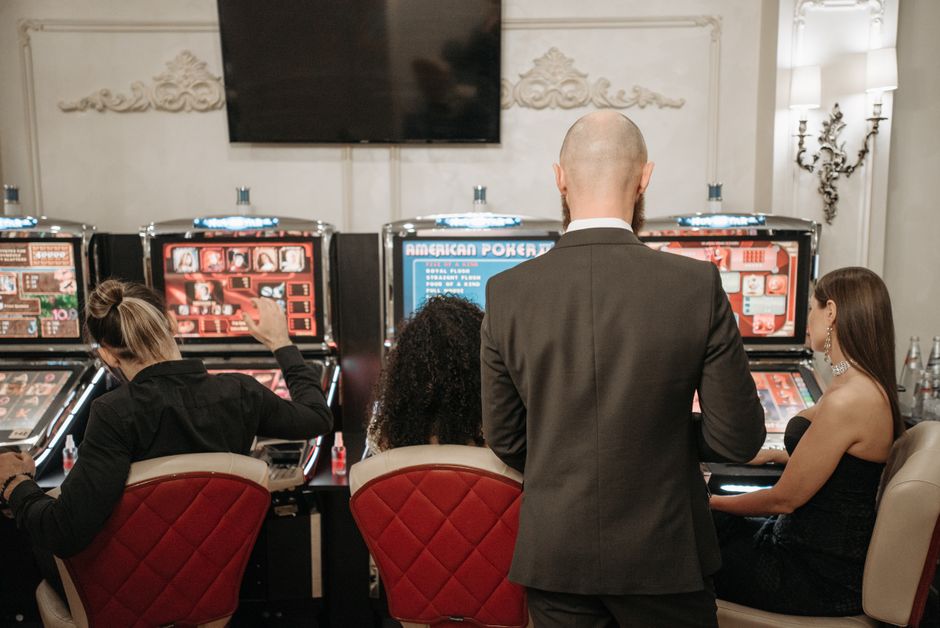



You’ve seen the flashy ads. The streamers with oversized headphones yelling about a slots bonus. The sports betting promos that promise “free money” if you just deposit a tenner. But scratch the surface, and iGaming is a lot less glamorous—and a lot more interesting—than the marketing suggests. Whether you’re curious about online slots, poker, or betting on football, this isn’t a get-rich-quick pitch. It’s a grounded look at how the games actually work, what the numbers really say, and how to avoid the classic mistakes that cost casual players hundreds every month.
The Slots Reality: RTP, Volatility, and Why Your Favorite Game Feels Rigged
Let’s start with the most popular vertical: online slots. They’re easy to play, require zero skill, and deliver dopamine hits faster than a poker bad beat. But the math behind them is brutally simple. Every slot has an RTP (Return to Player) percentage—usually between 94% and 97%. That means for every £100 wagered, the machine is programmed to pay back £94 to £97 over millions of spins. The house edge is that 3–6% slice.
But here’s what the ads don’t tell you: RTP is a long-term average. In a single session, you can lose 100% of your bankroll or win 500x your stake. That’s volatility. High-volatility slots (like Book of Dead or Money Train 3) pay out rarely but can hit huge. Low-volatility slots (like Starburst) pay smaller amounts more often. Neither is “better”—they just suit different temperaments.
A concrete tip: check the RTP before you spin. Legally, casinos must publish it, usually in the game’s info panel. I’ve seen players grind Reactoonz (96.5% RTP) for hours and then switch to a 92% RTP game without realizing they just cut their expected return by a third. That’s not bad luck; that’s bad math.
- Volatility matters more than RTP for short sessions. If you have £50 and want 30 minutes of play, pick low volatility.
- Bonus buys are a trap for most. Buying a free spins round for 100x your stake sounds fun, but the RTP on bonus buys is often 1–2% lower than the base game.
- Autoplay is not your friend. It removes the pause that lets you realize you’ve spent £200 in 10 minutes.
Poker: The Only iGaming Vertical Where Skill Actually Beats Luck
Slots and most casino games are pure chance. Poker is different. Yes, variance exists—you can play perfectly and lose to a two-outer on the river. But over 10,000 hands, the better player wins. Period. That’s why poker rooms are full of regs who treat it like a part-time job.
If you’re new to online poker, start with micro-stakes cash games ($0.01/$0.02 blinds) or low buy-in tournaments ($1–$5). Ignore the flashy high-roller tables. The players there will eat you alive. Instead, focus on these fundamentals:
- Play tight from early position. Fold hands like K-J offsuit or A-10 offsuit when you’re first to act. They look pretty but lose money long-term.
- Bet for value, not for bluff. At micro-stakes, most opponents call too much. Bluffing is overrated; value betting is where the profit is.
- Track your results. Use a free tool like PokerTracker or just a spreadsheet. If you’re losing after 5,000 hands, you’re not unlucky—you have leaks.
One more thing: bankroll management. Never buy into a cash game for more than 5% of your total poker bankroll. If you have $200, play $0.05/$0.10 max. That gives you 20 buy-ins. This isn’t conservative; it’s survival.
Sports Betting: How to Read Lines and Avoid the Sucker’s Bet
Sports betting is booming, especially on football, basketball, and tennis. But most casual bettors lose because they bet with their heart, not their head. The bookmaker’s margin (the vig) is typically 4–8% on a standard two-way market. That means if you bet randomly, you lose slowly. To win, you need an edge—information the market hasn’t priced in. See slot dana for a side-by-side comparison.
Example: You think Arsenal will beat Chelsea. The odds are 1.80 for Arsenal. That implies a 55.6% chance (1 / 1.80). If you believe Arsenal’s true chance is 60%, that’s a value bet. If you just “feel” they’ll win, that’s gambling.
Concrete data point: In the English Premier League, home teams win about 45% of the time, away teams 30%, and draws 25%. If you blindly bet every home team, you’d lose roughly 4% of your stake per bet due to the vig. That adds up fast.
- Line shopping is non-negotiable. Different bookies offer different odds on the same event. Always take the best price. A 0.05 difference on a £100 bet is £5—free money over time.
- Avoid parlay (accumulator) bets unless you’re chasing a lottery ticket. The more legs you add, the more the bookmaker’s edge compounds.
- Bankroll rule: Never bet more than 1–2% of your total betting budget on a single game. If you have £500, that’s £5–£10 per bet.
The Bonus Trap: Why “Free” Money Comes With Chains
Every casino and sportsbook offers a welcome bonus. 100% match up to £100, 50 free spins, a risk-free bet. They sound generous. They’re not. Read the terms.
Most bonuses come with wagering requirements—often 30x to 50x the bonus amount. If you get a £100 bonus with 40x wagering, you need to bet £4,000 before you can withdraw anything. And slots usually count 100% toward wagering, but table games like blackjack or poker often count only 10% or 0%. So you’d need to bet £40,000 on blackjack to clear it. That’s not a bonus; that’s a job.
My advice: if you take a bonus, treat it as entertainment, not a withdrawal opportunity. Or skip bonuses entirely and play with your own cash. You’ll have fewer restrictions and can withdraw whenever you want.
Staying in Control: Limits, Tools, and Knowing When to Stop
iGaming is fun until it isn’t. The UK Gambling Commission reports that around 0.5% of adults are problem gamblers, but many more are at risk. The difference between a hobby and a problem is simple: can you stop when you want to?
Every regulated site offers deposit limits, loss limits, session timers, and self-exclusion. Use them before you need them. Set a monthly deposit limit of £100 and stick to it. Set a 30-minute session timer. If you hit your loss limit, log off. No “one more spin.”
And remember: the house always has an edge. You’re paying for entertainment. If you’re not having fun, stop. The games will still be there tomorrow.
Final Thought: Treat iGaming Like a Hobby, Not a Paycheck
The people who make money from iGaming long-term are professionals—poker pros, sports bettors with proprietary models, casino affiliates. For everyone else, the goal is to have a good time without losing your shirt. Choose games with decent RTP. Learn basic poker strategy. Bet small on sports. Avoid bonuses with ridiculous terms. And never chase losses. That’s not a secret formula. It’s just common sense. But in an industry built on flashing lights and false promises, common sense is the ultimate edge.