

Autumn decor has a way of multiplying. One pumpkin on the porch becomes six on the mantel, a throw blanket turns into a pile, and by October the living room feels less like a cozy retreat and more like a craft store display. The fix isn't less seasonal charm — it's a plan.
This checklist walks through nine updates that add warmth and color while protecting the surfaces you actually use. Work through it in an afternoon or spread it across a weekend. Either way, you'll end up with a home that feels like fall without feeling crowded.
Start With a Clear-Off Pass
Before anything new comes in, take one honest walk through the main rooms: entry, living room, dining table, kitchen counters, bedroom nightstands. Gather what's already sitting out — summer candles, leftover vases, that stack of mail — and put away anything that isn't earning its place.
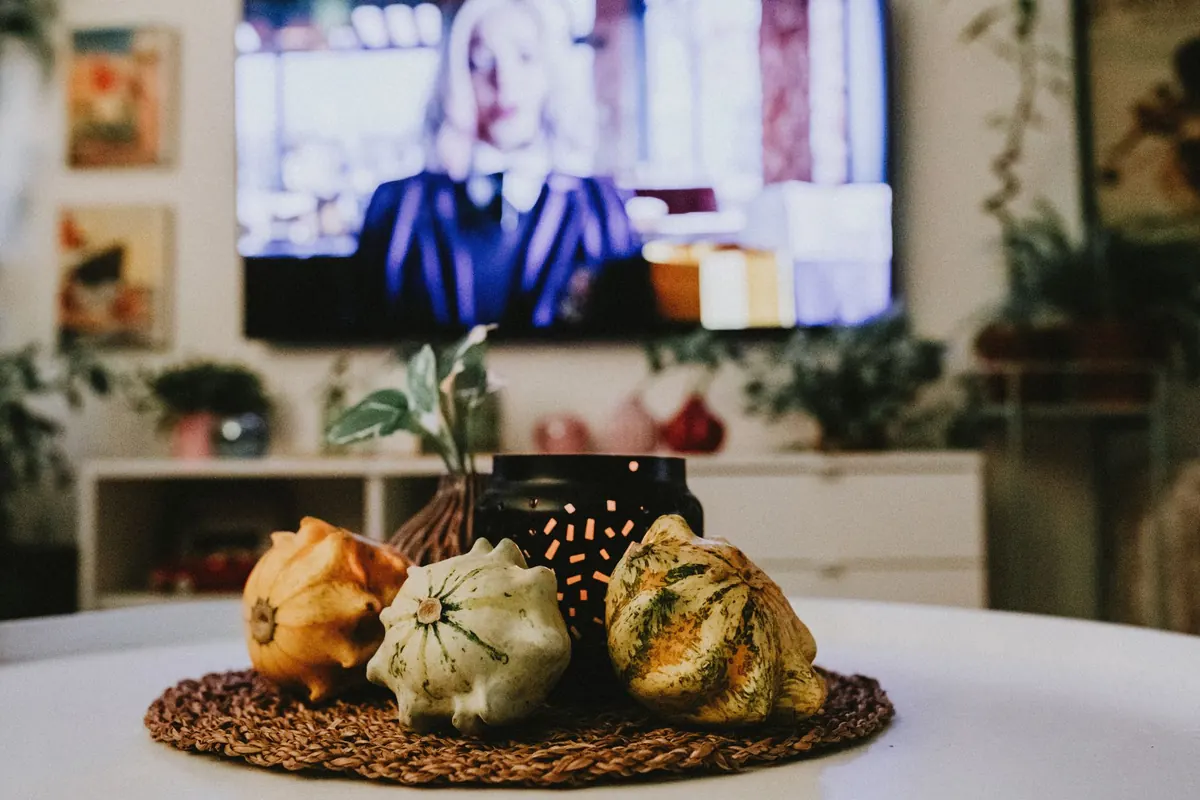
The goal is empty surfaces, not decorated ones. Once a console table is genuinely bare, you can see how much it can hold without tipping into clutter. Most people find they need fewer objects than they expected. A single ceramic bowl with three small gourds reads better than a full arrangement.
What to leave out
- Anything broken, chipped, or that you haven't liked for two seasons
- Duplicate items — three small vases doing the job of one
- Paper: mail, catalogs, takeout menus
- Cords and chargers that can move to a drawer or basket
Build a Color Story Before You Shop
Fall color isn't one palette. Rust and amber, muted plum and olive, cream with charcoal, even deep teal with copper — all of them work. What matters is picking two or three and repeating them, so the house feels intentional rather than collected at random.
Look at what's already in the room. If your sofa is warm gray and your rug has navy in it, leaning into olive and burnt orange will feel natural. If your space is mostly white and light wood, a single deep color plus texture will do more than five hues competing for attention.
Write your palette down — literally, on a note in your phone. It saves you from the impulse buy that matches nothing.
Layer Texture Instead of More Objects
Warmth in fall decor comes mostly from texture, and texture doesn't clutter a room the way small objects do. Swap the light linen throw for a chunky knit or brushed cotton. Add one heavier pillow to the sofa and one to the reading chair, not five.
Rugs do a lot of quiet work here. A wool or jute layer under the coffee table softens a room instantly and holds a seating area together. If you don't want to buy a rug, a folded throw over the arm of a chair or a woven basket by the fireplace gives a similar effect for far less.
Quick texture swaps
- Cotton or linen pillow covers in place of summer-weight ones
- A wool or chunky-knit throw on the sofa, folded to a third of its length
- A woven basket for blankets rather than stacking them on furniture
- One wood or ceramic tray to group candles and a small vase
Add Greenery and Naturals That Last
Fresh branches, dried stems, and small gourds bring the season in without much effort. Eucalyptus, dried wheat, branches with turning leaves, and olive stems all hold up for weeks. One tall arrangement on a console or dining table usually does more than several small ones scattered around.
Keep it simple on quantity. A single vase of dried stems in a room that has nothing else seasonal will feel more considered than a dozen small arrangements. If you use real pumpkins, wipe them down and keep them off fabric that stains easily; if you'd rather not deal with that, painted or ceramic versions work just as well and store flat.
Real candles are lovely but check them before lighting anything near fabric, curtains, or dried branches, and never leave a flame unattended. Flameless candles have improved enough that they're a reasonable choice for shelves and mantels.
Handle the Three Surfaces That Set the Tone
Most rooms are judged — and felt — by three surfaces. Get these right and the rest of the house follows.
Entry
One basket for shoes, one tray for keys, one small seasonal touch: a bowl of mini pumpkins, a single dried branch in a slim vase, or a low candle. Keep the walkway clear.
Mantel or main shelf
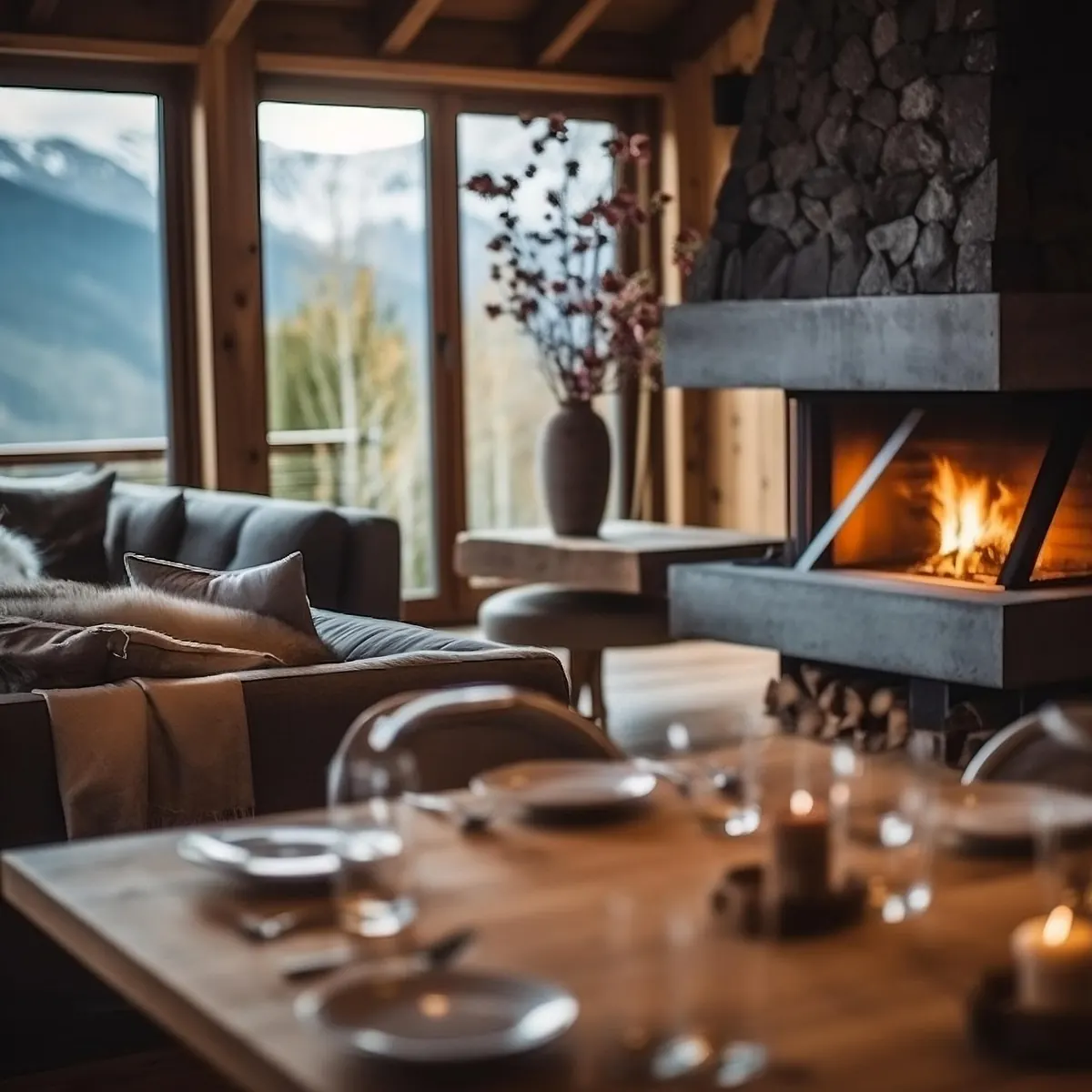
Work in odd numbers and vary height. A common structure: a large anchor piece on one side, a shorter cluster on the other, and something low in the middle so the arrangement doesn't become a wall. Leave visible space between groups — gaps are what keep a mantel from looking heavy.
Dining table
Low and narrow is the rule. A wide bowl, a short vase of stems, or two small candlesticks won't block conversation or force you to move things before every meal. If your table is also your workspace, choose one tray that can lift off in a single motion.
Light for Warmth, Not Brightness
Fall light is softer and shorter, and the wrong bulbs make a room feel gray. Warm-white bulbs — look for a color temperature around 2700K on the label — will do more for a fall mood than another decorative object. Add a small lamp on a side table or a low light in a corner rather than relying on one overhead fixture.
If you have a dimmer, use it in the evening. Layered light at two or three heights reads as cozy; one bright ceiling light does not. This is one of the cheapest seasonal changes you can make and the easiest to undo in spring.
Edit Scent, Sound, and Small Comforts
Scent is part of decor and it's easy to overdo. Choose one note for the main living area — cedar, clove, apple, smoke — and keep bedrooms unscented or very light. Two competing candles in one room cancel each other out.
Small comforts matter more than they seem: a dedicated spot for slippers, a lap blanket within reach of the sofa, a coaster tray so drinks don't migrate, a low basket of books you actually intend to read. These are the details that make a room feel used and loved rather than styled.
Keep It Under Control All Season
Seasonal decor creeps. Set one small rule: anything new that comes out gets a home, and anything that has no home doesn't come out. A covered bin in a closet labeled for fall items makes the swap to winter quick and keeps you from buying duplicates next year.
Every two weeks, spend ten minutes putting things back. Straighten the mantel, clear the dining table, fluff the throw, toss anything that's wilted or dusty. That small reset is what keeps a decorated house from becoming a cluttered one.
If you're tempted to add more, add light, texture, or scent before you add objects. Those three do the work of a whole shopping trip — and they take up no surface space at all.