



A rug and a carpet do the same basic job: they soften the floor, warm the room, and quiet your footsteps. But they behave very differently once real life starts. One is installed and stays put; the other can be rolled up, moved, and taken outside for a beating. The right choice usually comes down less to taste than to which room you're standing in and how hard that room works.
Start With the Room, Not the Product
Wall-to-wall carpet is attached to the floor and covers all of it. A rug is furniture for the floor: it sits on a hard surface, covers part of it, and travels with you when you move.
That single difference drives everything else. Before you compare fibers or prices, answer four questions about the space:
- How much traffic passes through it daily?
- Is the floor underneath something you actually want to see?
- Are there kids, pets, or frequent spills in this room?
- Will you still be living here in five years?
A hallway with a family of five and a guest bedroom used twice a month are not the same problem, even if they're the same square footage.
Cost: Where the Money Actually Goes
Installed carpet is usually cheaper per square foot than a comparable rug, but the comparison isn't quite fair. Carpet pricing includes material, pad, installation, and often removal of the old flooring. A rug only covers the zone you need, which means you pay for eight by ten feet instead of two hundred square feet of room.
So if you already have wood, tile, or vinyl plank that looks decent, a rug is often the cheaper way to add softness in one spot. If the floor underneath is worn, stained, or unfinished, carpet can be the more economical full-coverage fix, and it hides a multitude of sins in one afternoon.
Look at the long term too. Replacing carpet means redoing the whole room at once. Rugs can be rotated, replaced one at a time, or moved to a less visible spot when they start to show their age. Prices swing widely by fiber, construction, and region, so get two or three quotes before you commit to anything.
Comfort Underfoot
Carpet wins on pure softness. The cushion is continuous, so there's no cold edge to step onto at six in the morning. It also absorbs sound, which matters upstairs, in kids' rooms, and in open-plan houses where noise travels. On a concrete slab in a cold climate, wall-to-wall carpet feels noticeably warmer than any hard surface.
A rug gives you cushion where it sits and a hard floor everywhere else. That's fine in a living room where everyone wears socks; it's less pleasant beside a bed. This is why a rug pad matters. A good pad adds real thickness, keeps the rug from sliding underfoot, and can add years to the rug's life. Skip it and even a beautiful wool rug will feel thin and wander across the floor.
Cleaning, Spills, and Daily Maintenance
This is where the two options part ways most dramatically. A rug can be vacuumed in minutes, dragged onto the patio, spot-cleaned, or in some cases thrown in a washing machine. Small spills often sit on the surface long enough for you to blot them up. A pet accident on a rug is annoying; the same accident on carpet soaks through to the pad and sometimes the subfloor, and the smell can return on humid days.
Carpet asks for consistency instead of big gestures. It needs regular vacuuming, professional deep cleaning every year or so depending on traffic, and immediate attention to anything wet. Since it can't be lifted, stains in the middle of a walking path are permanent features.
Habits that help either surface:
- Blot spills from the outside in; rubbing pushes the stain deeper into the fibers.
- Vacuum the main traffic lanes twice a week and the corners when you get to them.
- Put a doormat at every exterior door to catch grit before it becomes abrasive dust.
- Rotate rugs and rearrange furniture twice a year so wear stays even.
- Treat pet accidents the same day with an enzyme cleaner, and call a professional if it reached the pad.
- If dust and dander trigger allergies in your household, bear in mind that hard flooring with washable rugs is generally easier to keep clear. Talk to a doctor about your specific triggers rather than guessing.
Durability and Style Over Time
Carpet wears in patterns, not evenly. The path from the doorway to the sofa crushes and mats first, and there's no fixing it short of replacing the room. Choose a tight, low-pile construction in wool or a solution-dyed synthetic for stairs and hallways if you go this route; long, loose piles look luxurious for about two years and tired after that.
Rugs age more gracefully because you can intervene. Rotate a runner every few months, move a living room rug out of the sun, or retire it to a guest room. The floor beneath stays protected either way.
Stylistically, carpet provides a calm, continuous backdrop that makes a room feel finished and quiet. It can also dominate: one color across a large area is hard to argue with, and trend-driven shades date quickly. A rug behaves more like artwork. It defines zones in an open-plan space, adds pattern and texture, and is far easier to change when your taste shifts. If you already have carpet and want pattern, layer a flatweave or low-pile rug on top and skip the thick pad; a bulky pad over carpet makes the whole arrangement feel unstable.
Room by Room: Bedrooms, Living Rooms, Hallways
Bedrooms
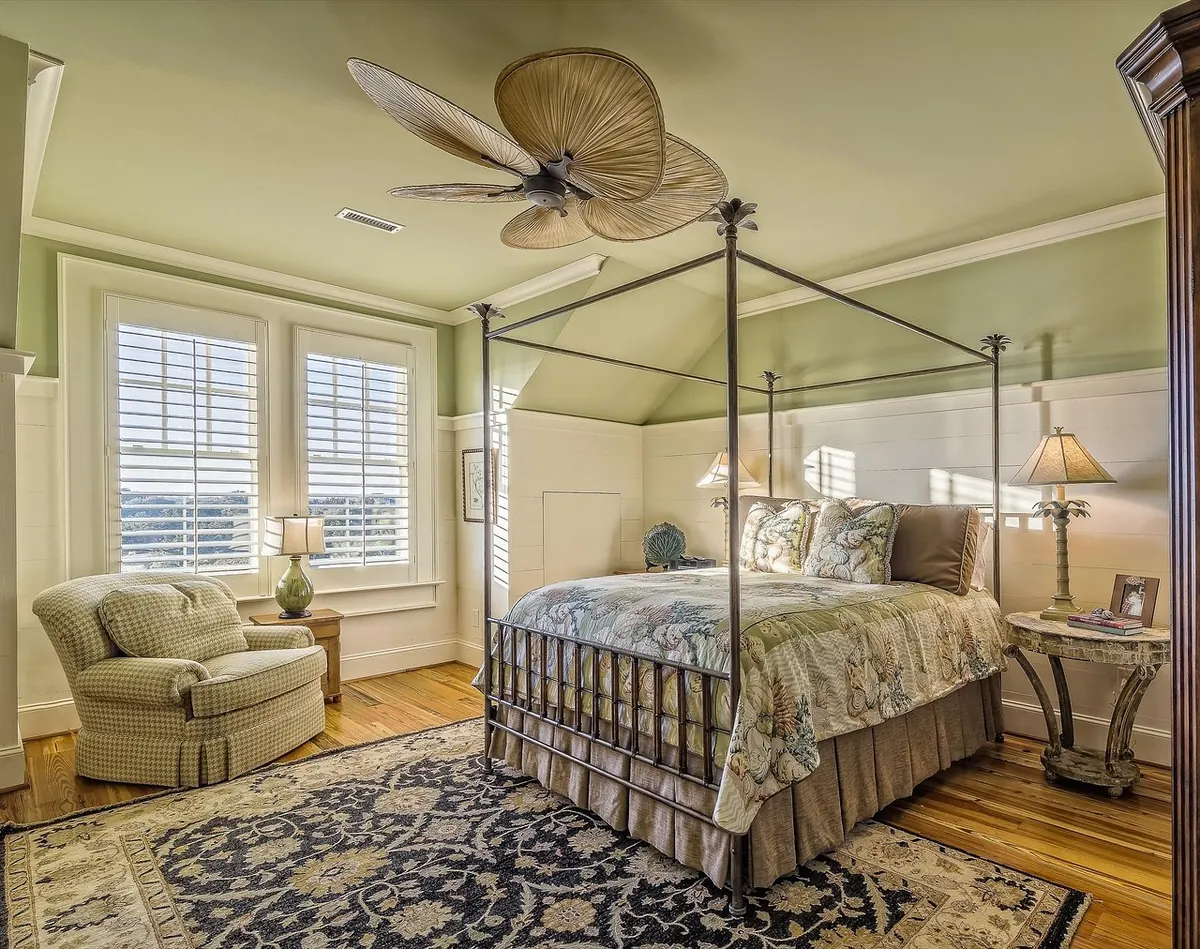
Carpet is the classic choice for a reason: warm feet, quiet mornings, soft landings for toddlers. If you prefer hard flooring, use a rug large enough that at least a third of it tucks under the bed and it extends eighteen to twenty-four inches on both sides. That way you step onto fabric getting out of bed instead of hunting with your toes. Consider a washable option if pets sleep on the duvet.
Living Rooms
Rugs usually win here because living rooms get rearranged. A rug sized so the front legs of every seat rest on it will hold the furniture group together; anything smaller looks like a postage stamp in the middle of the floor. Carpet makes sense in a family room where kids and dogs sprawl on the ground, especially in a mid-tone textured or flecked style that forgives crumbs and footprints.
Hallways
Hallways are the hardest-working floors in the house. A runner, roughly two and a half feet wide with a few inches of floor showing on each side, plus a non-slip pad, handles traffic well and can be replaced without touching anything else. Skip pale solids and long shag; both show every mark. Indoor-outdoor polypropylene runners are forgiving with pets and mud. Wall-to-wall carpet works in a hallway, but plan on replacing it before the carpet in the rooms it connects.
Practical Rules of Thumb
If you want whole-floor softness and quiet, and the floor underneath isn't worth showing, choose carpet. If you want softness in specific zones, flexibility, and easier cleaning, choose rugs on hard flooring. Renters and anyone planning to move within a few years should lean toward rugs.
Whichever you pick, buy the pad. Bring samples home and live with them for a week, barefoot in the morning and under the sofa legs. Spill a little water on each and see what happens. A floor covering is something you touch every day, so it's worth the extra trip to the store before you order.
Photo: GregoryButler / Pixabay